

From Opera v5 to Opera Cloud: What It Really Means for Hotels (A Consultant’s View)
May 6, 2026Opera Cloud Reporting & Analytics (R&A): A Beginner’s Guide in Simple, Practical Terms
May 12, 2026When many of us first move from Opera v5 to Opera Cloud, one area that creates confusion is user login and access management.

In Opera v5, we were used to:
- Application users
- Security groups
- Property-level access
- Local server-based authentication
In Opera Cloud, things look very different. You suddenly start hearing terms like:
- OCIM
- SSD
- Identity Domains
- SSO
- Roles
- Tasks
At first, it can feel complicated.
In this article, I want to explain OCIM in practical terms based on what hotel users, IT teams, and consultants actually experience in live Opera Cloud environments.
What Is OCIM?
OCIM stands for: Opera Cloud Identity Management
Put simply:
👉 OCIM is the system that controls:
- Who can log in
- Which environment they can access
- What they are allowed to do
- Which modules they can see
In other words: OCIM is the “security and access control center” of Opera Cloud.
Why Oracle Introduced OCIM
Before OCIM, Opera Cloud environments mainly used a system called SSD (Shared Security Domain).
SSD worked, but as Opera Cloud expanded into:
- Multi-property environments
- Cloud integrations
- SSO logins
- OHIP integrations
- Opera Cloud Reporting & Analytics module
Oracle needed a more centralized and scalable identity management platform. This is where OCIM comes in.
OCIM is built on Oracle Cloud Infrastructure Identity & Access Management (OCI IAM), meaning Opera Cloud security is now tied closely with Oracle’s cloud ecosystem.
SSD vs OCIM In Simple Terms
SSD vs OCIM Logins look like:
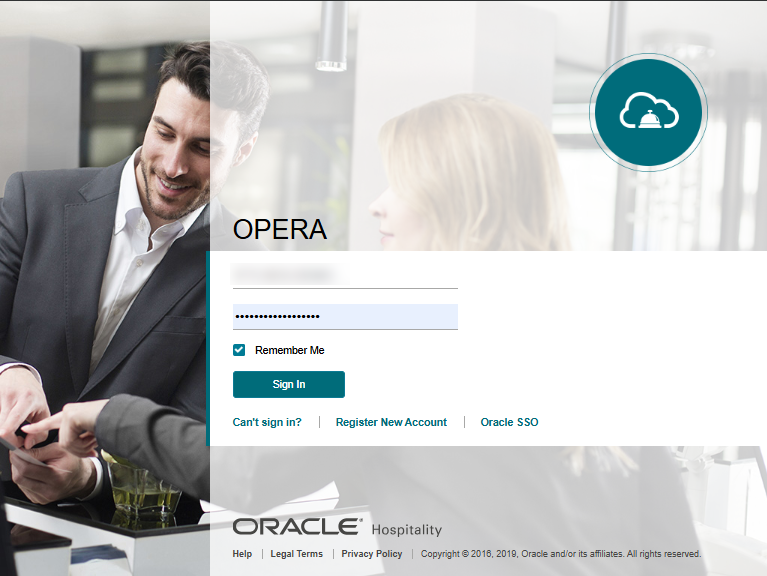
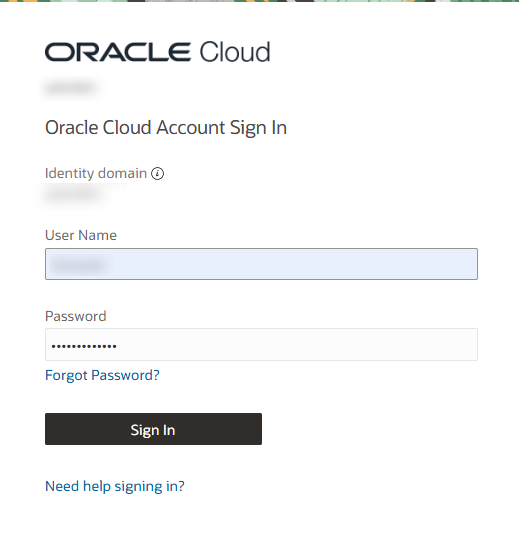
This is not a technical comparison, but a practical one.
| SSD | OCIM |
| Older access management model | Modern cloud identity platform |
| More isolated environment | More centralized control |
| Basic login management | Advanced identity management |
| Limited SSO flexibility | Better SSO integration |
| Simpler cloud architecture | Better suited for multi-property cloud operations |
For many users, the change is mostly invisible. But for:
- IT teams
- Consultants
- OHIP developers
- R&A administrators
The difference becomes very important.
What OCIM Actually Handles
Many people think OCIM is “just a login page.” In reality, it handles much more.
OCIM manages:
- User authentication
- Password policies
- Access rights
- Role assignments
- Single Sign-On (SSO)
- Multi-factor authentication (MFA)
- User provisioning
This means OCIM decides:
- Whether a user can access Opera Cloud
- Which properties they can access
- Which modules they can open
- Which functions they are allowed to perform
Understanding Roles and Tasks (Very Important)
This is one area that confuses many people initially. In simple terms:
Roles
A Role is a collection of permissions.
Examples:
- Front Desk Agent
- Housekeeping Manager
- Revenue Manager
- OHIP Developer
Instead of assigning hundreds of permissions manually, Oracle groups them into Roles.
Tasks
Tasks are the individual permissions inside a Role.
Examples:
- Check in guest
- View reservation
- Post payment
- Access dashboards
👉 Think of it like this:
- Role = Job position
- Tasks = Individual actions allowed for that job
Single Sign-On (SSO): Why Hotels Like It
One major advantage of OCIM is Single Sign-On (SSO). This allows hotel staff to:
- Login once
- Access multiple systems without repeated passwords
For example:
- Opera Cloud
- Reporting & Analytics
- Other integrated applications
can all use the same authentication source.
Many organizations now connect Opera Cloud with:
- Microsoft Entra ID (Azure AD)
- Okta
- OneLogin
This improves:
- User convenience
- Security
- Centralized password management
Real-World Situations Where OCIM Becomes Important
This is where many consultants and hotel IT teams truly encounter OCIM.
Example 1: User Can Login to Opera Cloud but Not R&A
This is very common.
A user successfully logs into Opera Cloud but receives:
- Access denied
- No dashboards visible
- Missing subject areas
In many cases:
👉 The issue is not Reporting & Analytics itself.
The real issue is:
- Incorrect role assignment
- Missing group access
- Improper OCIM configuration
Example 2: OHIP Access Problems
A developer may:
- Access OHIP portal
- But cannot create applications or APIs
Again:
👉 Often this is role-related.
Specific OHIP roles may be missing.
Example 3: Multi-Property Access Issues
A regional manager may:
- Access one property
- But not another
This is usually tied to:
- Group assignment
- Property hierarchy
- Access scope configuration
Why OCIM Matters More in Opera Cloud
In Opera v5 environments how Opera integrates with external systems were isolated locally. Opera Cloud changes this completely.
Now we have:
- Centralized cloud environments
- Real-time integrations
- Shared services
- Remote access
- Browser-based operations
Because of this:
👉 identity management becomes much more important than before.
OCIM becomes the foundation that controls secure access across the entire cloud ecosystem.
Why OCIM Is Important for OHIP and R&A
This is especially important for consultants moving deeper into Opera Cloud.
For OHIP
OCIM controls:
- API access
- Developer permissions
- Application roles
Without proper access configuration:
- Integrations may fail
- APIs may not work correctly
- Developers may not see required environments
For Reporting & Analytics (R&A)
OCIM impacts:
- Dashboard visibility
- Subject area access
- Data permissions
- Property access
Sometimes the issue is not the report itself — it is simply incorrect access assignment. This is why understanding OCIM becomes very valuable for troubleshooting.
Final Thoughts
When first entering Opera Cloud, OCIM can feel confusing because it introduces many new concepts compared to discussed in introduction to Opera PMS and its core functions.
But once understood in practical terms, it becomes much simpler.
At the end of the day, OCIM is really about:
- Secure access
- Proper permissions
- Centralized identity management
- Easier cloud operations
And as Opera Cloud environments continue growing, understanding OCIM will become increasingly important for:
- Hotel IT teams
- Consultants
- Integrators
- R&A administrators
- OHIP developers
From my experience, many Opera Cloud access-related issues eventually lead back to one area:
👉 Proper identity and role management.
References
